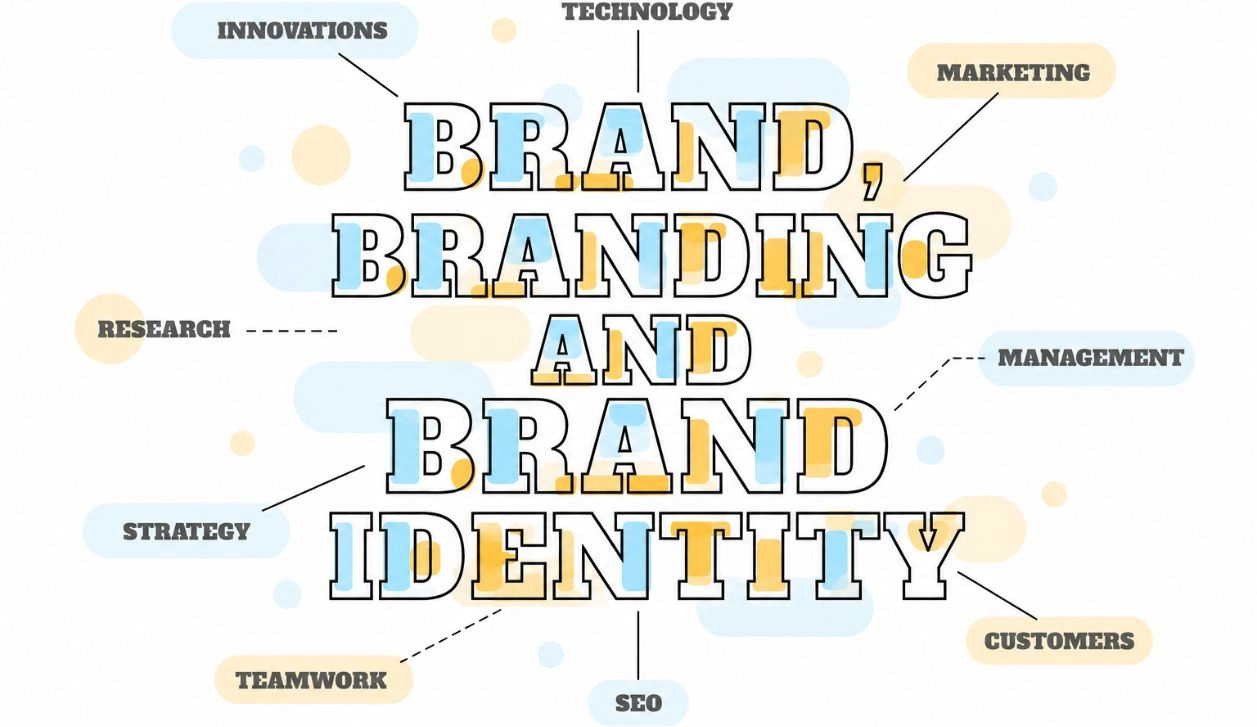
Many people use the terms brand, branding, and brand identity as if they mean the same thing. While they are closely connected, each plays a unique role in shaping how customers see and remember your business. Understanding the difference can help you build trust, stand out from competitors, and create a stronger brand. In this guide, we’ll explain what each term means, how they work together, and why they matter for long-term business success.
What’s Included in This Article
In this article, you’ll learn:
- The difference between brand, branding, and brand identity
- Why each element is important for business success
- How to build effective branding and a strong brand identity
- Common misconceptions businesses often have
- The difference between branding and marketing
- How all three work together to create a memorable customer experience
Understanding the Difference: Brand vs. Branding vs. Brand Identity
Before diving deeper, here’s a simple comparison.
| Brand | Branding | Brand Identity |
| Customer perception | Process of shaping perception | Visual and verbal assets representing the business |
Although these terms are related, they represent different aspects of your business.
- Brand is how customers think and feel about your company.
- Branding is the ongoing process of influencing those perceptions.
- Brand identity is the collection of visual and verbal elements people recognise and associate with your business.
Think of it this way: your brand is your reputation, branding is how you build that reputation, and brand identity is how people recognise it.
What Is a Brand?
A brand is much more than a company name or logo. It is the overall perception customers have whenever they interact with your business.
Your brand is shaped by every customer experience—from your website and social media presence to the quality of your products, customer support, and online reviews. Over time, these experiences create an emotional connection that influences whether customers choose your business over competitors.
A strong brand is built on several key elements:
- Emotional connection that resonates with your audience.
- Reputation earned through consistent quality and reliability.
- Customer experiences across every touchpoint.
- Trust developed through honesty and consistency.
- Perceived value that justifies choosing your products or services.
Ultimately, your customers—not your business—define your brand. Their experiences determine how your company is remembered.
Why Is a Strong Brand Important?
Building a strong brand provides long-term advantages that go far beyond attracting new customers.
Customer Loyalty
People are more likely to return to businesses they trust. A positive brand experience encourages repeat purchases and long-lasting customer relationships.
Recognition
Consistent branding makes your business easier to recognise across websites, advertisements, packaging, and social media platforms. Familiarity often influences buying decisions.
Competitive Advantage
In crowded industries, products and services can be very similar. A strong brand helps customers remember why they should choose your business instead of someone else’s.
Increased Business Value
Businesses with strong brands often enjoy greater credibility, making them more attractive to investors, partners, and potential buyers.
Greater Pricing Power
Customers are generally willing to pay more for brands they trust because they associate them with quality, reliability, and a positive experience.
What Is Branding?
While a brand is the perception customers have, branding is the ongoing process of creating and managing that perception.
Branding involves every activity that shapes how your audience views your business. It’s not a one-time project but a continuous effort that evolves alongside your company.
Effective branding includes:
Brand Positioning – Clearly defining what makes your business different and why customers should choose you.
Marketing – Using content, advertising, email campaigns, SEO, and social media to communicate your value consistently.
Messaging – Maintaining a consistent tone of voice, mission, and key messages across all communication channels.
Customer Experience – Delivering positive experiences before, during, and after every purchase.
Consistency – Ensuring customers receive the same quality experience whether they visit your website, contact customer support, or interact with your social media accounts.
Branding creates expectations—and consistently meeting those expectations builds trust.
How to Build Effective Branding
Successful branding requires careful planning and continuous improvement. Here are five essential steps.
1. Define Your Target Audience
Understand who your ideal customers are, what challenges they face, and how your business can solve their problems. The better you understand your audience, the more relevant your branding becomes.
2. Create a Unique Value Proposition
Identify what sets your business apart from competitors. Whether it’s exceptional service, innovative products, affordability, or expertise, your unique value should be communicated consistently.
3. Develop Consistent Messaging
Your messaging should reflect your mission, values, and personality across every platform. Customers should receive the same message whether they visit your website, read your blogs, or engage with your business on social media.
4. Deliver Consistent Customer Experiences
Branding isn’t only about visuals. Every customer interaction contributes to your reputation. Providing excellent service, responding promptly, and delivering on promises all strengthen your brand.
5. Monitor Customer Feedback
Reviews, surveys, and customer feedback provide valuable insights into how people perceive your business. Listening to customers allows you to improve your branding over time.
What Is Brand Identity?
If branding is the strategy, brand identity is what people actually see and hear.
Brand identity consists of the visual and verbal elements that communicate your business’s personality and values. These elements help customers instantly recognise your brand and create a consistent experience across every touchpoint.
A strong brand identity typically includes:
- A memorable logo
- A consistent colour palette
- Typography and font styles
- Photography and graphic style
- Tone of voice and messaging
- Website design
- Product packaging and printed materials
These elements work together to create a professional, recognisable appearance that reinforces customer trust.
Brand Identity Example:
Imagine a local landscaping company that wants to position itself as reliable, modern, and environmentally conscious.
Its brand identity could include a clean green-and-earth-tone colour palette, a simple leaf-inspired logo, modern typography, friendly and informative website copy, professional photography of completed landscaping projects, and consistent messaging focused on sustainability and customer satisfaction.
When customers encounter the company online, receive a quotation, or see branded work vehicles, every interaction reinforces the same professional image. This consistency strengthens recognition and supports the overall brand.
How to Build a Strong Brand Identity
Creating an effective brand identity involves more than designing a logo.
Conduct Research – Understand your audience, competitors, and industry before making design decisions.
Develop a Brand Strategy – Define your mission, values, personality, and positioning to ensure your visuals reflect your business goals.
Create Professional Designs – Develop logos, typography, colour palettes, imagery, and supporting assets that communicate your desired brand personality.
Establish Brand Guidelines – Create a style guide outlining how your visual and verbal elements should be used to maintain consistency across all channels.
Stay Consistent – Use your brand identity consistently across your website, marketing materials, packaging, advertisements, and social media. Consistency is one of the strongest drivers of customer recognition and trust.
How Brands Have Evolved
Branding has changed significantly over the years. While businesses have always relied on reputation and customer relationships, today’s digital landscape has transformed how brands connect with their audiences.
Traditional Branding
In the past, branding focused heavily on physical assets such as storefronts, printed advertisements, business cards, and television or radio commercials. Companies relied on these channels to build recognition and establish trust within their communities.
Digital Transformation
As businesses moved online, websites, search engines, and digital advertising became essential parts of branding. A company’s online presence now often creates the first impression for potential customers, making professional web design and user experience more important than ever.
Social Media
Social media platforms have given businesses the opportunity to interact directly with their audiences. Brands can now build relationships through engaging content, customer conversations, and real-time support, making authenticity and consistency more valuable than ever.
Personal Branding
Business owners, executives, and industry experts are increasingly building personal brands alongside their companies. Sharing expertise through blogs, podcasts, videos, and social media helps establish credibility while strengthening the overall business brand.
AI and Modern Branding
Artificial intelligence is reshaping branding by helping businesses personalise customer experiences, automate marketing, generate content, and analyse consumer behaviour. However, while AI improves efficiency, authenticity, creativity, and genuine customer relationships remain essential for building lasting trust.
Common Misconceptions About Brand, Branding, and Brand Identity
Many businesses misunderstand these concepts, which can lead to inconsistent marketing efforts and missed opportunities. Here are some of the most common misconceptions.
A Logo Is Not a Brand
A logo is only one element of your brand identity. Your brand is the overall perception people have based on every interaction they have with your business.
Branding Is More Than Advertising
Advertising is just one tactic within branding. Branding also includes positioning, messaging, customer service, company values, and the overall customer experience.
Brand Identity Alone Won’t Build Trust
Even the most attractive logo and website cannot compensate for poor customer service or inconsistent experiences. Trust is earned through delivering on your promises.
Marketing and Branding Are Not the Same
Although they work together, branding focuses on building long-term perception, while marketing promotes products or services to generate leads and sales.
Rebranding Isn’t Always the Solution
Businesses sometimes assume a new logo or website will solve declining sales. In many cases, improving customer experience, messaging, or business strategy has a greater impact than a complete rebrand.
Why Brand, Branding, and Brand Identity Matter for Business
A successful business doesn’t rely on just one of these elements. It requires all three working together.
Brand Builds Trust – Customers are more likely to buy from businesses they trust. A strong brand creates confidence, credibility, and emotional connections that encourage long-term loyalty.
Branding Creates Recognition – Consistent branding helps customers recognise your business across websites, advertisements, social media, email campaigns, and other marketing channels. The more familiar your business becomes, the easier it is for customers to remember you.
Brand Identity Creates Consistency – A consistent brand identity ensures that every customer interaction reflects the same personality, values, and level of professionalism. This consistency reinforces trust and strengthens your overall brand.
Together, these elements create a unified experience that encourages customer loyalty and business growth.
How Brand, Branding, and Brand Identity Work Together
Understanding how these three concepts work together is the key to building a successful business.
Imagine a new home renovation company launching its services.
First, the business defines its mission: providing high-quality renovations with transparent pricing and outstanding customer service. This forms the foundation of its brand.
Next, it develops a professional logo, selects a modern colour palette, designs a user-friendly website, and creates a friendly yet professional tone of voice. These elements make up its brand identity.
Finally, the company promotes itself through SEO, content marketing, social media, online advertising, customer testimonials, and consistently delivering exceptional service. These ongoing efforts represent branding.
Each element supports the others:
- The brand defines what the business stands for.
- The brand identity communicates that message visually and verbally.
- Branding continuously reinforces that message through every customer interaction.
When these three elements align, businesses create memorable experiences that build trust, improve recognition, and encourage long-term customer loyalty.
Conclusion
Although the terms brand, branding, and brand identity are often used interchangeably, they each play a distinct role in business success.
Your brand is the reputation and perception customers have of your business. Branding is the ongoing process of shaping that perception through strategy, communication, and customer experience. Brand identity is the collection of visual and verbal elements that make your business recognisable.
Rather than focusing solely on designing a logo or running marketing campaigns, businesses should invest in all three. When your brand, branding, and brand identity work together consistently, you create stronger customer relationships, stand out from competitors, and build a business that continues to grow.
As customer expectations continue to evolve in 2026, businesses that prioritise consistency, authenticity, and meaningful customer experiences will be best positioned for long-term success.
Key Takeaways
- A brand is your reputation and how customers perceive your business.
- Branding is the ongoing process of shaping that perception.
- Brand identity is the visual and verbal representation of your business.
- Branding and marketing serve different purposes but work best together.
- Consistency across every customer touchpoint builds trust and recognition.
- Strong brands create loyal customers, competitive advantages, and long-term business growth.
- Investing in brand, branding, and brand identity helps businesses remain competitive in 2026 and beyond.