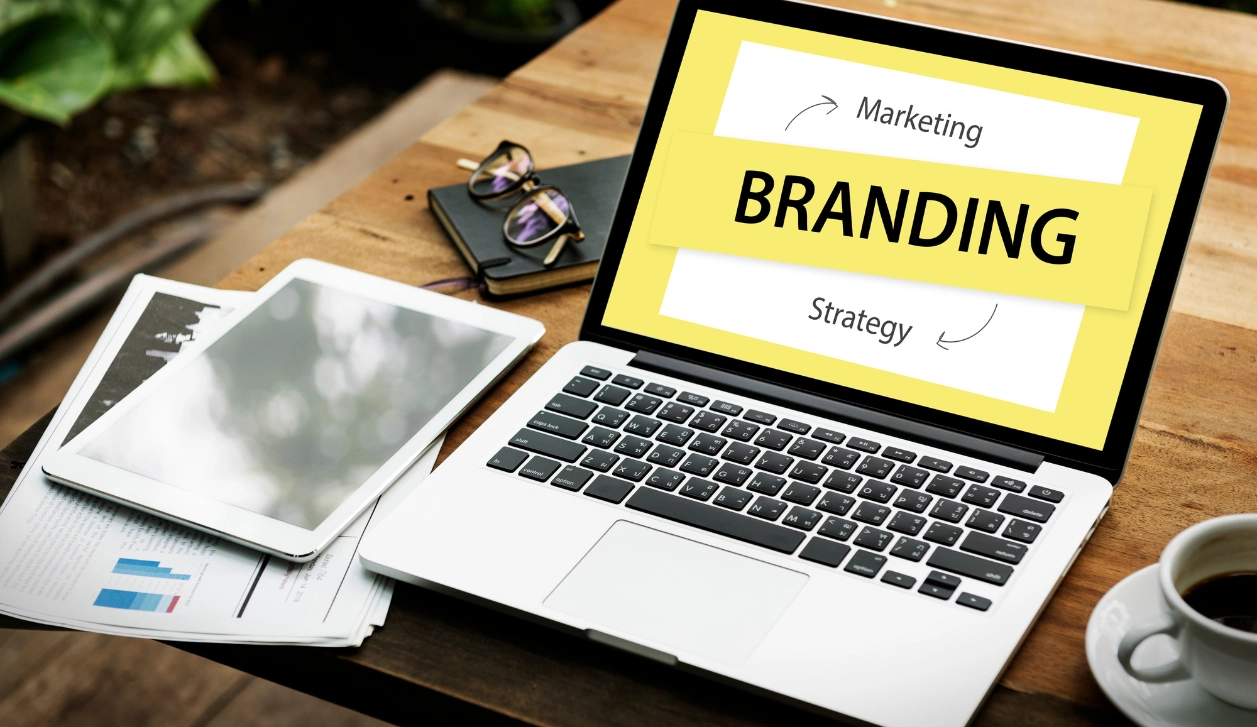
A website is more than just design. In 2026, a successful website must combine content, branding, and conversion. These three elements work together to help your business grow.
A strong website attracts visitors, builds trust, and turns users into customers. This is why every digital agency must focus on more than just visuals.
What’s Included in This Article
This article explains how content, branding, and conversion work together in web design. You will learn how design affects user experience, how SEO improves results, and how to optimise your website for better conversions.
How Branding and Web Design Work Together to Drive Business Results
Branding gives your business identity. Web design brings that identity to life online.
A consistent brand makes your website look professional and trustworthy. It helps users recognise your business and remember it.
Why Brand-Design Alignment Drives Results
When branding and design match, users feel more confident. This leads to higher engagement and better conversions.
Key benefits include:
- Strong brand recognition
- Better user trust
- Clear messaging
- Higher conversion rates
A professional online marketing agency in Cyprus ensures your branding and website design work together.
The Role of Design in User Engagement
Design affects how users interact with your website. A clean and simple layout makes it easier for users to find what they need.
How Design Affects User Experience
Good design improves user experience by:
- Making navigation simple
- Reducing confusion
- Highlighting key actions
- Keeping users engaged longer
A well-designed website keeps users on your page and increases the chance of conversion.
Integrating SEO with Web Design
SEO should be part of your design process. A website that is not optimised will struggle to rank.
A strong SEO setup includes:
- Fast loading pages
- Clear structure
- Keyword-focused content
- Mobile-friendly design
A skilled digital marketing services provider ensures your website is built for both users and search engines.
How to Keep Branding & Web Design in Harmony
Consistency is key. Your website should use the same colours, fonts, and tone across all pages.
To keep everything aligned:
- Use brand guidelines
- Keep messaging clear
- Maintain visual consistency
- Update design when branding changes
This creates a strong and unified online presence.
How SEO Improves Conversion Rates
SEO brings the right visitors to your website. When users find exactly what they need, they are more likely to take action.
Targeted traffic leads to:
- More enquiries
- Better engagement
- Higher sales
SEO and conversion go hand in hand.
Importance of Website Speed Optimization
Speed is critical for both SEO and user experience. A slow website can cause users to leave before they even see your content.
Techniques for Speed Optimization
- Compress images
- Use fast hosting
- Reduce unnecessary scripts
- Enable browser caching
Monitoring Website Speed
Use tools to track performance and fix issues. Regular checks help keep your website fast and efficient.
Designing Effective Landing Pages
Landing pages are built to convert visitors into leads or customers. They should be simple, clear, and focused on one goal.
Crafting Compelling Calls to Action
A strong call to action tells users what to do next. It should be clear and easy to find.
Examples:
- Contact us
- Get a quote
- Book now
Implementing Split Testing
Test different versions of your page to see what works best. Small changes can lead to better results over time.
Optimizing Product Pages for Conversions
Product pages must be clear and informative. They should answer all user questions and encourage action.
Best Practices for Product Pages
- Use clear titles and images
- Show pricing and details
- Add customer reviews
- Keep layout simple
Strategies for Engaging Descriptions
Descriptions should be simple and focused on benefits. Explain how the product solves a problem.
Leveraging Color and Typography
Colours and fonts affect how users feel and act on your website.
The Impact of Color Choices
Colours can guide user actions. For example:
- Blue builds trust
- Red creates urgency
- Green suggests growth
Typography for Readability
Use simple fonts that are easy to read. Avoid clutter and keep text clear.
Psychology Behind Colors and Fonts
Good design uses colour and typography to guide users and improve engagement.
The Power of Visuals in Web Design
Visuals play a major role in how users experience your website. Most users do not read every word. Instead, they scan pages and rely on images, videos, and layout to understand your message quickly.
Strong visual content helps explain ideas faster than text. It also makes your website more attractive and easier to use. When done right, visuals guide users, highlight important information, and support your overall branding.
A well-designed website uses visuals not just for decoration, but as a tool to improve communication and drive action.
Choosing the Right Images and Videos
Not all visuals are effective. The images and videos you choose should match your brand, message, and audience.
High-quality visuals make your website look professional and trustworthy. Poor or generic images can have the opposite effect and make your site feel low quality.
When choosing visuals, focus on:
- Relevance to your content and services
- Consistency with your brand style and colours
- Clear and sharp image quality
- Real images when possible, instead of stock photos
Videos are also very powerful. They can explain services, show products, or tell your brand story in a simple and engaging way. Short videos are especially effective because they are easy to watch and share.
Importance of Responsive Design
Today, users visit websites from many devices, including phones, tablets, and desktops. This means your visuals must adapt to different screen sizes.
Responsive design ensures that images and videos look good and load properly on all devices. If visuals are too large, too small, or cut off, it creates a poor user experience.
To improve responsiveness:
- Use flexible image sizes
- Optimise images for faster loading
- Test visuals on mobile and desktop
- Avoid heavy files that slow down your site
A responsive website not only improves user experience but also supports SEO, as search engines prioritise mobile-friendly sites.
Role of Visuals in User Engagement
Visuals are one of the first things users notice when they visit your website. They help capture attention and encourage users to stay longer.
When visuals are used correctly, they:
- Guide users through the page
- Highlight key sections or offers
- Make content easier to understand
- Create an emotional connection with the audience
Engaging visuals reduce bounce rates and increase the time users spend on your site. This signals to search engines that your content is valuable, which can improve rankings.
Visuals also support conversions. For example, product images, explainer videos, and icons can help users make decisions faster.
Conversion Rate Optimization (CRO) Strategies
CRO focuses on turning visitors into customers. CRO improves how users interact with your website. It removes barriers and makes actions easier.
Identifying Areas for Improvement
Look at:
- Drop-off points
- Slow pages
- Confusing layouts
Implementing Effective Techniques
- Improve page design
- Simplify forms
- Add clear calls to action
Utilizing Social Proof
Social proof builds trust and encourages users to take action.
Types of Social Proof
- Customer reviews
- Testimonials
- Case studies
- Ratings
People trust other customers. Showing proof increases conversions.
A/B Testing for Better Results
A/B testing compares two versions of a page. This helps you find what works best.
Test elements like:
- Headlines
- Buttons
- Layouts
Small improvements can lead to big results over time.
Measuring Success in Web Design
To grow your website, you must track results. Data helps you understand what works.
Important metrics include:
- Traffic
- Conversion rate
- Bounce rate
- Time on site
A strong ad agency or digital agency will use data to improve performance.
Conclusion
A successful website is built on content, branding, and conversion. These elements must work together to create a strong online presence.
In 2026, businesses that combine SEO, design, and user experience will see the best results. A well-designed website is not just a tool—it is a growth engine.
Want a website that drives real results?
At Absolute Websites, we are a trusted digital agency and online marketing agency in Cyprus. We offer expert digital marketing services to help your business grow.
Key Takeaways
Content, branding, and conversion must work together.
Strong design improves user experience and engagement.
SEO helps attract the right audience.
Website speed and structure impact performance.
CRO strategies increase conversions and results.